
When Your Yard Needs a Retaining Wall
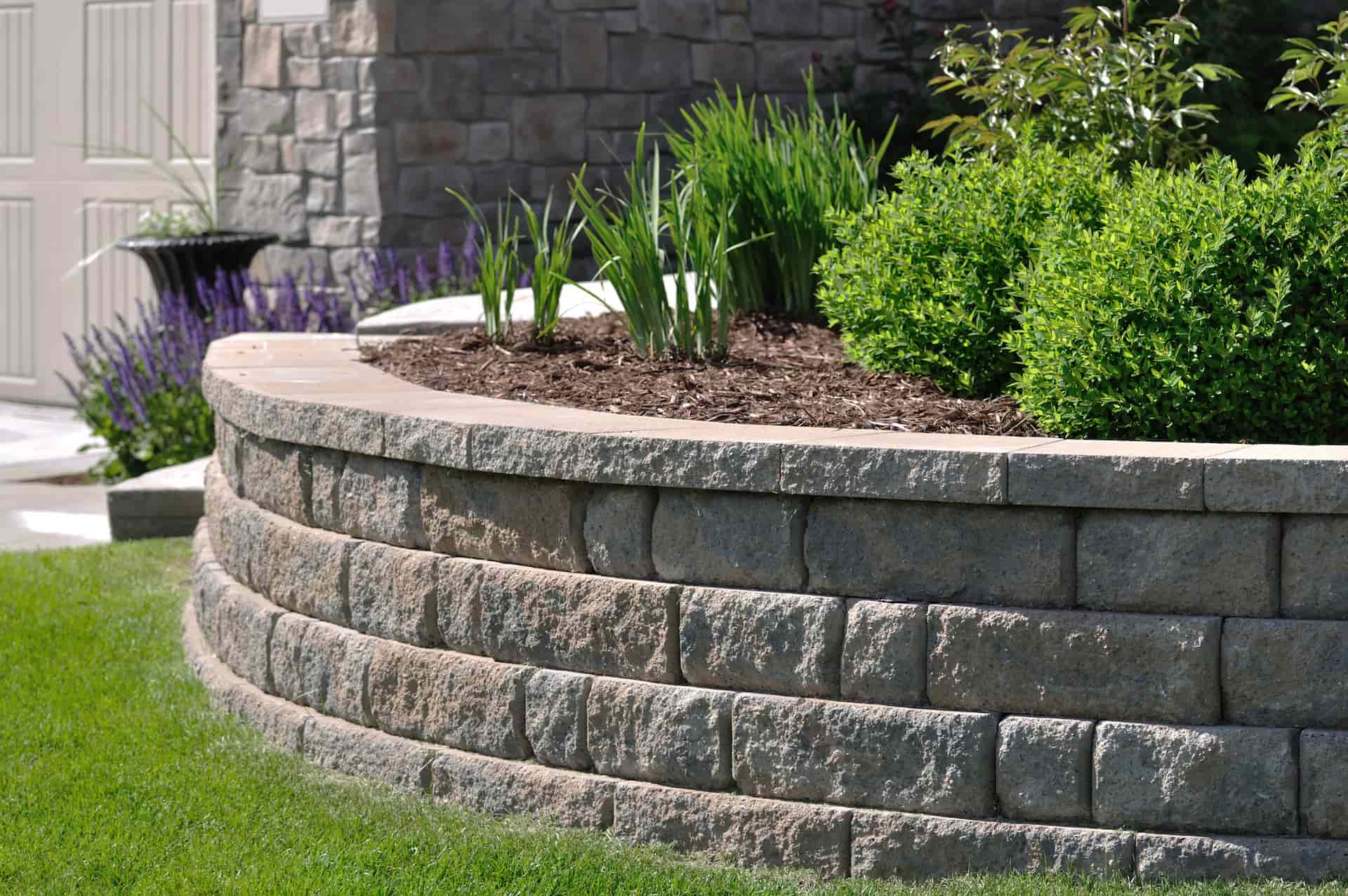
Not every yard is perfectly level. Many properties have slopes or uneven ground that can create challenges when landscaping or maintaining outdoor spaces. Over time, these slopes may lead to soil movement, erosion, or water runoff problems.
One effective solution homeowners often turn to is retaining wall installation. A retaining wall is designed to hold soil in place and create a more stable landscape.
When built correctly, concrete retaining walls provide both structural support and long-term durability, helping homeowners maintain the shape and stability of their property.
Signs Your Yard May Need a Retaining Wall
Many homeowners begin researching retaining wall installation after noticing issues in their yard. Certain signs may indicate that a retaining wall could help stabilize the landscape.
Some common signs include:
- soil washing away after heavy rain
- uneven slopes in the yard
- landscaping that frequently shifts or erodes
- difficulty maintaining certain areas of the property
When these problems occur, installing a concrete retaining wall can help prevent further damage.
Stabilizing Sloped Landscapes
Sloped properties are especially vulnerable to soil movement. When rainwater flows downhill, it can gradually carry soil away from its original position.
A concrete retaining wall installation helps solve this issue by creating a barrier that supports the soil behind it.
This added support keeps the ground stable and prevents the slope from deteriorating over time.
Creating More Usable Yard Space
Another advantage of retaining walls is their ability to reshape the landscape. Sloped areas that were previously difficult to use can be converted into level sections.
Once the ground is stabilized, homeowners can use these areas for landscaping, outdoor seating spaces, or garden beds.
By installing a concrete retaining wall, homeowners can turn previously unusable sections of the yard into functional outdoor spaces.
Improving Drainage Control
Water drainage plays an important role in maintaining a healthy yard. When water flows freely across sloped land, it can create erosion and soil displacement.
During retaining wall installation, contractors often design the wall to help control how water moves through the landscape.
This helps protect the surrounding soil while maintaining the stability of the yard.
Long-Term Strength With Concrete
Concrete is one of the strongest materials used for retaining walls. A professionally installed concrete retaining wall can withstand soil pressure and environmental conditions for many years.
Because of its durability, concrete remains a reliable option for homeowners looking for long-term landscape stability.
With proper installation, concrete retaining walls continue to perform well while maintaining their structure.
Why Professional Installation Matters
Retaining walls must be carefully designed and constructed to perform correctly. Contractors must account for soil pressure, proper reinforcement, and drainage considerations.
Professional retaining wall installation ensures the structure remains strong and stable over time.
Working with experienced professionals helps prevent issues such as wall shifting or drainage problems.
Strengthen and Stabilize Your Yard
If your yard has slopes or areas where soil continues to move, installing a retaining wall may be the right solution. Concrete retaining walls help stabilize the landscape while improving the overall layout of the property.
With proper planning and professional installation, retaining walls can provide long-lasting support for residential landscapes.

If you're dealing with uneven terrain or soil erosion, Elite Concrete Worx is ready to help with professionally built concrete retaining walls designed to stabilize and improve your outdoor space.