
Stamped Concrete vs. Polished Concrete: Which Finish Is Right for Your Home
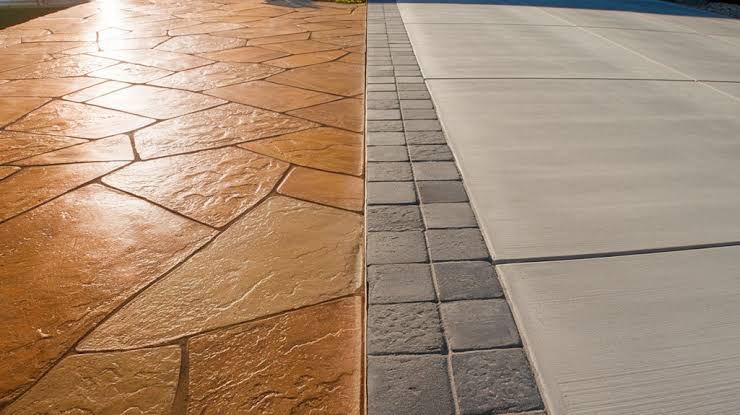
When it comes to decorative concrete, two finishes tend to come up again and again: stamped and polished. Both can transform a plain slab into a standout feature, but they serve very different purposes and suit different spaces. Understanding the difference helps you choose the right one for your project.
What Is Stamped Concrete?
Stamped concrete is textured and patterned while it's still wet, using molds that replicate the look of natural materials like flagstone, brick, cobblestone, or wood planking. Combined with color hardeners and staining techniques, stamped concrete can convincingly mimic much pricier materials while offering the durability and lower maintenance of concrete underneath.
Stamped finishes work especially well for outdoor spaces — patios, walkways, pool decks, and driveways — where homeowners want visual character without the ongoing maintenance that comes with natural stone or pavers, like weeds pushing up between joints or individual pieces shifting over time.
What Is Polished Concrete?
Polished concrete takes an existing slab and mechanically grinds it down in stages using progressively finer abrasives, resulting in a smooth, reflective surface. It's most commonly used indoors — garage floors, basements, and increasingly, main living areas for homeowners who like the industrial-modern look. Polished concrete can also be tinted or have aggregate exposed for additional visual interest.
Comparing Durability
Both finishes are durable when installed correctly, but they hold up differently depending on the environment. Stamped concrete, being outdoors most often, needs periodic resealing to protect the color and pattern from UV exposure and weather. Polished concrete, typically indoors, is highly resistant to stains and wear and generally needs less frequent maintenance, though it can show scratches over time in high-traffic commercial settings.
Comparing Look and Feel
Stamped concrete offers texture and the appearance of natural materials — a strong choice if you want your patio or driveway to feel warm and organic. Polished concrete has a sleek, reflective quality that suits modern and minimalist design. Neither is objectively "better" — it comes down to the aesthetic you're after and where the surface will live.
Cost and Maintenance Considerations
Stamped concrete generally involves more labor upfront due to the coloring, stamping, and sealing process, while polished concrete's cost is driven largely by the number of grinding passes and level of polish desired. Both are considered lower-maintenance than natural stone or hardwood over their lifespan, but stamped surfaces exposed to Texas sun and rain will need resealing every few years to keep their color vibrant.
Which One Should You Choose?
If you're working on an outdoor space — a patio, driveway, or walkway — stamped concrete is usually the better fit for both looks and function. If you're finishing an interior floor, garage, or want a modern indoor aesthetic, polished concrete is worth serious consideration.

Not sure which finish fits your project? Let's talk through your option