
Retaining Walls 101: Protecting Your Property from Erosion in North Texas
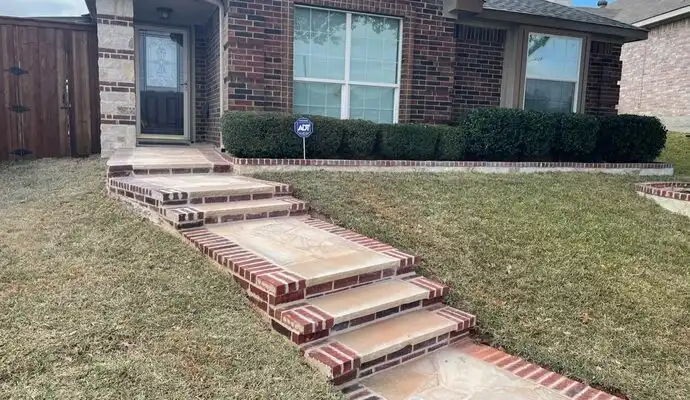
If your property has a slope, a drainage issue, or soil that seems to shift a little more every year, a retaining wall might be exactly what you need. Beyond their practical function, retaining walls can also open up usable space in a yard that otherwise feels wasted on an awkward grade.
What Retaining Walls Actually Do
At its core, a retaining wall holds back soil that would otherwise slide, erode, or shift under gravity and water pressure. This matters a lot in North Texas, where clay-heavy soil expands when wet and contracts when dry, putting constant stress on slopes and any structures near them. A well-engineered retaining wall resists that pressure and keeps your yard, driveway, or foundation from being affected by soil movement over time.
Signs You Might Need One
A few common indicators suggest a retaining wall could solve a problem you're already dealing with: soil visibly washing away during heavy rain, a sloped section of yard that's difficult to mow or use, cracks appearing in a nearby patio or driveway due to soil shifting, or water consistently pooling in one low area of your property.
Materials and Design Options
Concrete retaining walls can be built as poured slabs, concrete block, or even stamped and stained to match the aesthetic of your patio or landscaping. Beyond material choice, the design needs to account for the height of the wall, the type of soil being retained, and proper drainage behind the wall itself — without a way for water to escape, hydrostatic pressure builds up and can cause even a well-built wall to fail over time.
Drainage Is Non-Negotiable
The single biggest factor in a retaining wall's long-term success is drainage. Weep holes, gravel backfill, and sometimes a drainage pipe behind the wall all work together to relieve water pressure before it becomes a structural problem. A retaining wall built without proper drainage planning is far more likely to crack, lean, or fail within just a few years.
Adding Function to a Sloped Yard
Beyond solving an erosion problem, retaining walls often create genuinely usable space. A terraced yard can turn an unusable slope into a flat area for a garden, patio, or play space. Tiered retaining walls can also add visual interest to an otherwise flat landscape design, especially when paired with matching hardscaping elsewhere on the property.
When to Call in a Professional
Small decorative garden walls under a couple feet in height are sometimes manageable as a DIY project, but anything taller, anything holding back a significant slope, or anything near a structure should be engineered and built by professionals who understand load calculations and local soil behavior. Getting it wrong isn't just a wasted investment — it can create a genuine safety risk.

Dealing with erosion or a tricky slope on your property? Let's talk about your options.