
How to Choose the Right Concrete Patio Design for Your Backyard
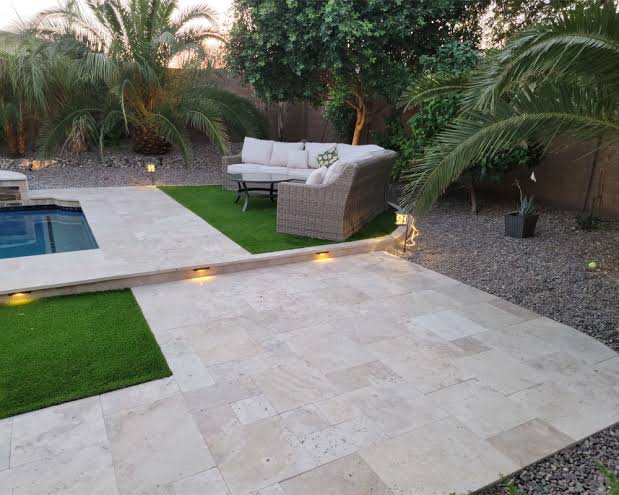
A concrete patio is one of the most versatile additions you can make to your backyard. Whether you're picturing quiet mornings with coffee, weekend cookouts, or a space for the kids to play, the right design decisions upfront make all the difference in how much you'll actually use — and enjoy — the finished space.
Start With How You'll Use It
Before choosing a shape or finish, think through what the patio needs to do. A space built for grilling and entertaining needs enough square footage for a dining set and clear walking paths. A smaller patio meant for a quiet retreat might prioritize a cozy footprint tucked near a garden bed. Homeowners across Arlington, Cedar Hill, and the surrounding area often find that sketching out furniture placement first helps determine the ideal size and shape before a single form is set.
Choosing a Shape and Layout
Rectangular patios are the most common because they're efficient to build and easy to furnish, but they're far from the only option. Curved edges can soften a yard's hard lines and create a more natural flow into landscaping. Multi-level patios work well on sloped lots, and a patio positioned near an existing structure — like a covered porch — can make the transition between indoor and outdoor space feel seamless.
Finish Options Beyond Plain Gray
Concrete patios have come a long way from a flat gray slab. Stamped concrete can mimic the look of natural stone, brick, or wood at a fraction of the maintenance. Exposed aggregate adds subtle texture and slip resistance, which matters for a pool-adjacent patio. Stained or colored concrete lets you coordinate the patio's tone with your home's exterior or existing hardscaping.
Don't Forget Drainage
A beautiful patio that pools water after every rain isn't doing its job. Proper slope — usually a slight grade away from the house — keeps water moving off the surface instead of collecting near your foundation or turning your patio into a slip hazard. This is one of the areas where experienced installation really shows, since getting the grade right takes careful planning during the forming stage.
Planning for the Texas Climate
North Texas summers get intense, and a dark-colored patio surface can get uncomfortably hot underfoot. Lighter finishes or those with a slight texture tend to stay cooler and more comfortable for bare feet. If you're planning to add a pergola, shade sail, or covered structure later, it's worth discussing that with your contractor upfront so the patio's dimensions and orientation work with the shade plan rather than against it.
Building for the Long Term
A well-built patio should last for decades with minimal upkeep — mainly occasional sealing and cleaning. Getting the base preparation, reinforcement, and finish right the first time means you won't be revisiting cracks or settling issues a few years down the road.

Thinking through a new patio for your backyard? Reach out and let's talk through your vision.