
How Retaining Walls Protect Your Property From Soil Movement
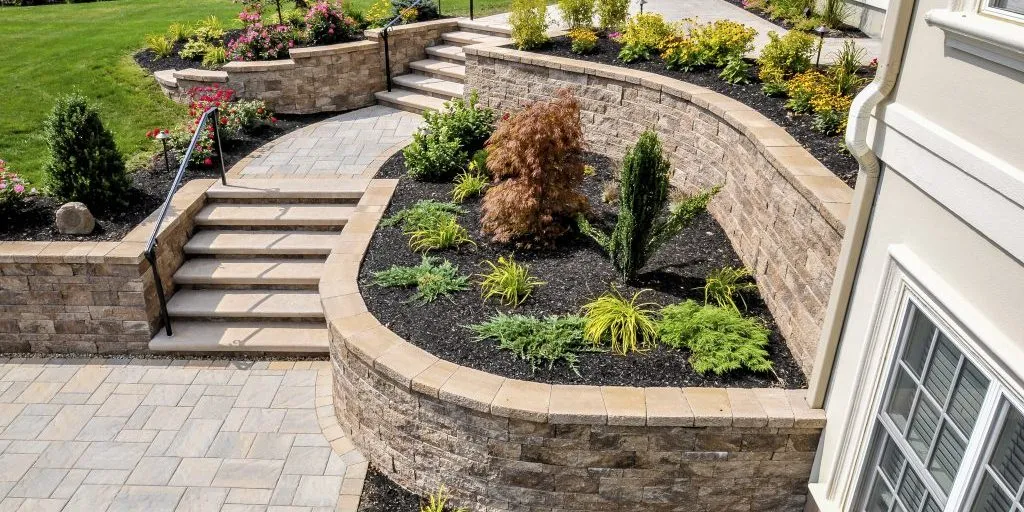
Many homeowners notice gradual changes in their yard over time. Slopes may become steeper, soil can shift after heavy rain, and certain areas of the landscape may begin to erode. These issues often occur because the soil does not have enough structural support.
One effective way to address this problem is through concrete retaining wall installation. Retaining walls are designed to hold soil in place and provide support for uneven landscapes.
When installed correctly, concrete retaining walls help stabilize the ground while protecting landscaping and outdoor structures from long-term damage.
Preventing Soil From Shifting
Soil movement is a common issue for properties with uneven terrain. Rainwater flowing across slopes can slowly carry soil downhill, causing erosion and instability.
A concrete retaining wall provides a strong barrier that prevents soil from shifting.
By holding the soil securely in place, retaining walls help maintain the original shape of the yard and reduce the risk of long-term landscape damage.
Protecting Landscaping and Outdoor Areas
When soil begins to move or erode, it can affect landscaping features such as flower beds, gardens, or outdoor living spaces.
Installing a retaining wall helps protect these areas by stabilizing the ground around them.
This added support helps preserve landscaping while preventing soil from washing away during heavy rainfall.
Creating Better Structure in the Yard
Retaining walls can also improve the overall layout of a property. By dividing the yard into different levels, they create more organized and usable outdoor spaces.
A well-designed concrete retaining wall installation can transform a sloped yard into multiple level areas that can be used for landscaping or outdoor activities.
This added structure often improves both the appearance and functionality of the property.
Helping With Water Drainage
Proper drainage is important for maintaining a healthy landscape. Without structural support, water may flow across the yard in ways that contribute to erosion.
During retaining wall installation, contractors often incorporate drainage solutions that help direct water safely away from the wall.
This helps protect both the wall and the surrounding soil from water pressure and damage.
Long-Term Strength and Durability
Concrete is one of the most reliable materials for retaining wall construction. A properly installed concrete retaining wall can withstand soil pressure and changing weather conditions for many years.
Because of its durability, concrete remains a popular choice for homeowners who need a long-lasting solution for landscape stabilization.
With professional installation, retaining walls continue to perform well while maintaining their structural integrity.
Why Professional Installation Matters
Retaining walls must be carefully designed to support the soil behind them. Contractors must consider soil weight, drainage, and reinforcement when installing the wall.
Professional concrete retaining wall installation ensures the structure is strong enough to perform its function effectively.
Working with experienced professionals helps prevent issues such as wall shifting or drainage problems.
Strengthen and Protect Your Landscape
Soil movement and erosion can gradually damage a property if left unaddressed. Installing concrete retaining walls helps stabilize the landscape while protecting outdoor areas from long-term changes.
By providing structural support and improving yard organization, retaining walls offer a practical solution for homeowners dealing with uneven terrain.

If you're planning to stabilize your yard with concrete retaining walls, Elite Concrete Worx is ready to help deliver durable, high-quality results for your property.