
How Retaining Walls Make Room for Patios and Outdoor Living Spaces
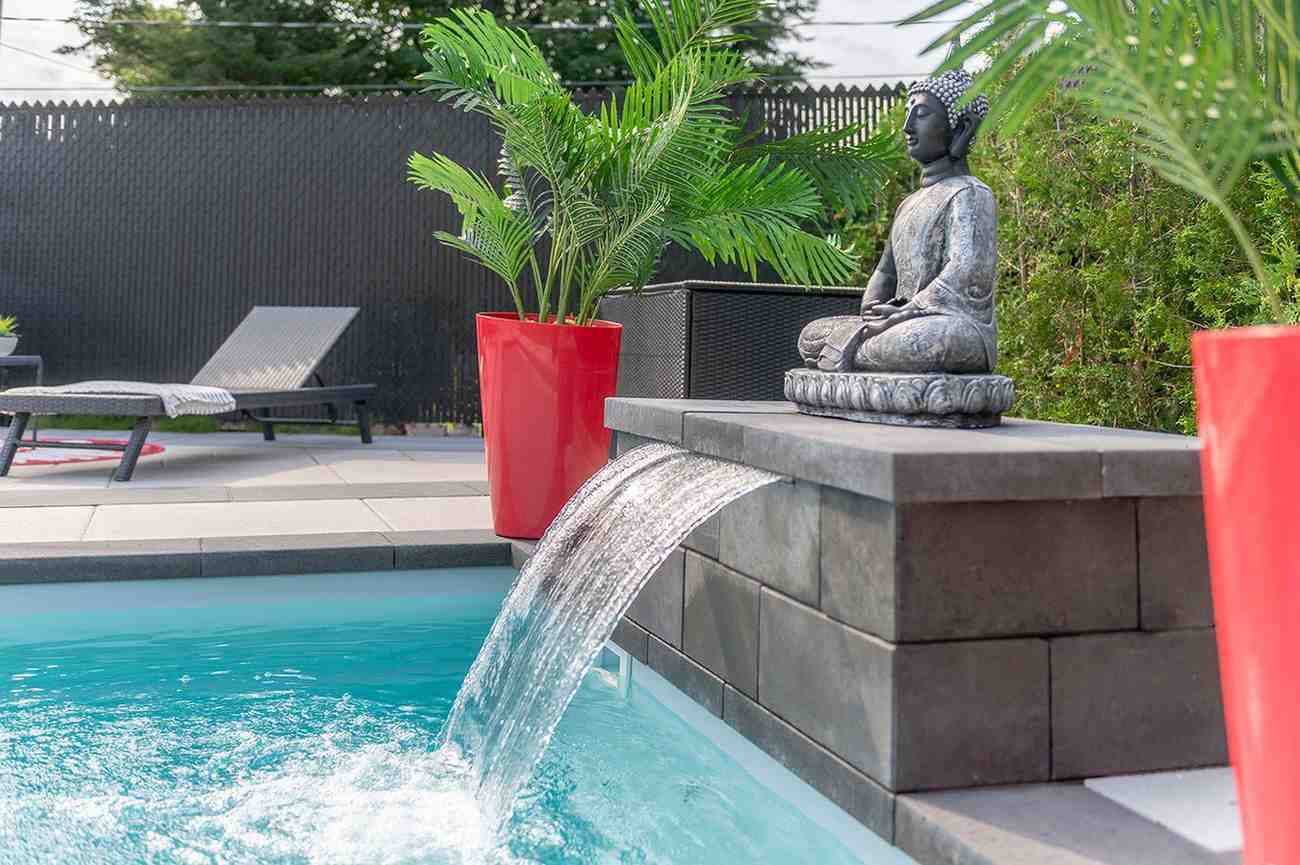
Many homeowners want to improve their backyard with features like patios, seating areas, or outdoor gathering spaces. However, not every yard is naturally flat enough to support these improvements. Sloped terrain or uneven ground can make it difficult to install outdoor living areas that remain stable over time.
This is where concrete retaining walls become an essential part of outdoor design. Retaining walls help stabilize the soil and create level areas that can support patios, walkways, and other outdoor features.
By reshaping the landscape, concrete retaining wall installation allows homeowners to turn previously unusable sections of their yard into functional outdoor spaces.
Creating Level Ground for Patios
Patios require a stable, level surface in order to remain durable and comfortable to use. When a yard slopes downward or contains uneven areas, installing a patio directly on the ground may not be possible.
A concrete retaining wall can support the soil behind it and create a flat area where a patio can be installed safely.
Once the terrain is stabilized, homeowners can add a concrete patio to create an outdoor space for relaxing, dining, or entertaining guests.
Expanding Usable Yard Space
Sloped yards often limit how much of the property can actually be used. Large sections of land may become difficult to walk across or unsuitable for outdoor furniture.
Installing concrete retaining walls helps reshape the yard into level sections.
These leveled areas can then be used for:
- patios and seating areas
- outdoor dining spaces
- walkways connecting different parts of the yard
- garden beds or landscaping features
This transformation helps homeowners take full advantage of their outdoor property.
Improving Landscape Structure
Retaining walls also help organize the layout of the landscape. Instead of having one large slope, the yard can be divided into multiple structured sections.
For example, a retaining wall may support a raised patio while steps or walkways connect the patio to the rest of the yard.
This structured design makes the property easier to navigate and improves the overall appearance of the outdoor space.
Preventing Soil Erosion
One of the primary functions of concrete retaining walls is preventing soil erosion. Rainwater can gradually wash soil downhill, which may damage landscaping or nearby outdoor features.
Retaining walls act as barriers that hold soil in place and reduce erosion over time.
By stabilizing the landscape, retaining walls help protect nearby patios, walkways, and other outdoor improvements.
Built for Strength and Durability
Concrete is widely used for retaining wall construction because of its ability to withstand heavy soil pressure and outdoor conditions.
A properly installed concrete retaining wall is designed to remain strong and stable for many years.
Concrete’s durability allows it to support both the surrounding soil and the outdoor features built nearby.
Why Professional Installation Matters
Retaining walls must be carefully engineered to support the weight of the soil behind them. Proper drainage and reinforcement are essential to ensure the wall remains stable.
Professional concrete retaining wall installation ensures the structure is built correctly and can handle long-term pressure from the landscape.
Working with experienced contractors helps ensure the retaining wall performs safely and effectively.

If your yard has sloped areas that limit your outdoor space, Elite Concrete Worx can install durable retaining walls to help create room for patios, walkways, and outdoor living areas. Book your free consultation today to get started.