
How Retaining Walls Help Prevent Soil Erosion in Your Yard
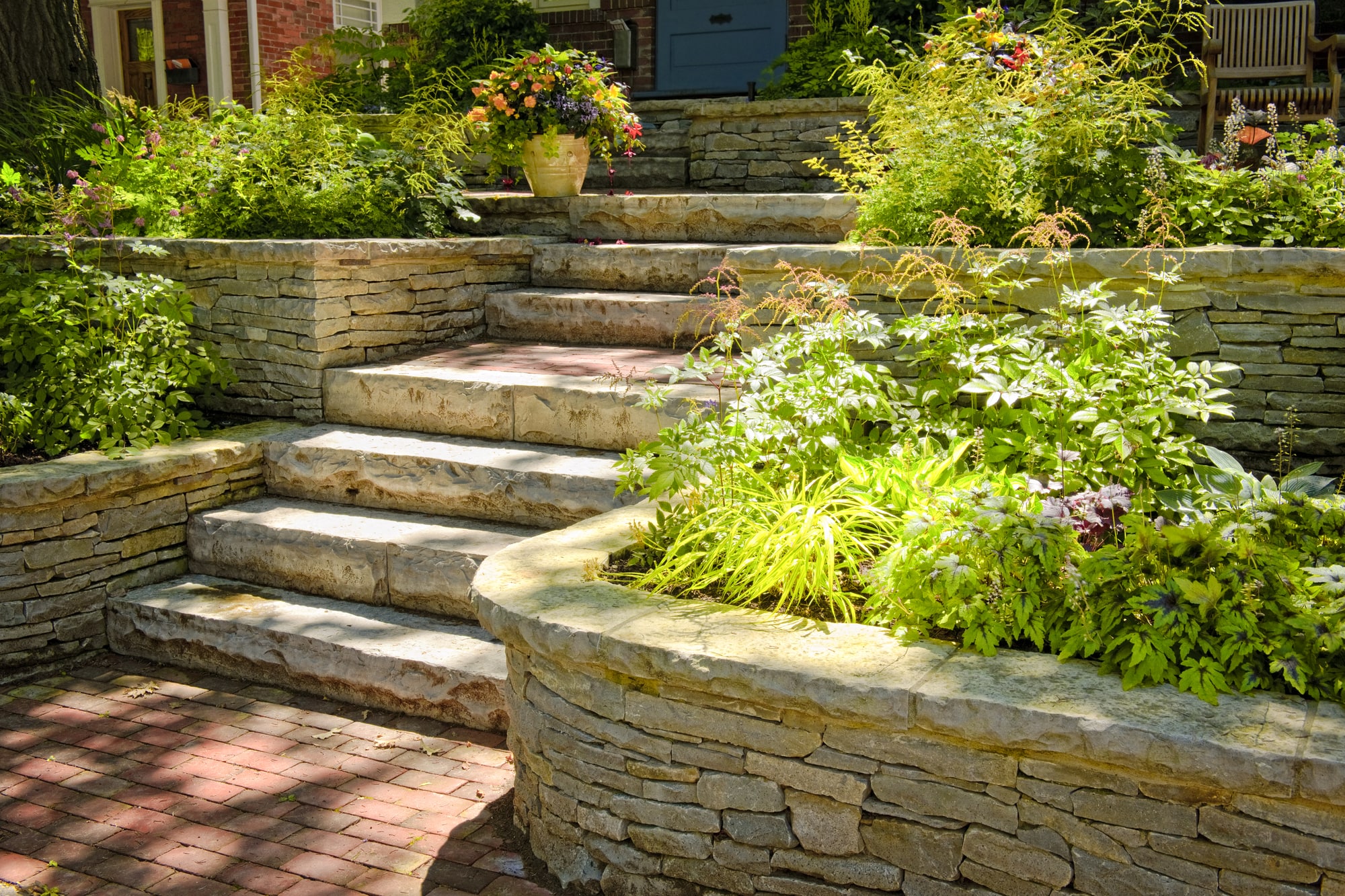
Soil erosion is a common issue many homeowners experience, especially in yards with slopes or uneven terrain. Over time, rainwater and natural ground movement can gradually wash away soil, leaving landscaping damaged and outdoor spaces uneven. One of the most effective solutions for this problem is a professionally built retaining wall.
A properly constructed retaining wall installation helps hold soil in place, stabilize the ground, and improve the overall structure of your landscape. Retaining walls not only solve erosion problems but also enhance the appearance and usability of outdoor spaces.
For homeowners dealing with sloped yards or soil movement, installing a retaining wall can provide both practical and long-lasting benefits.
What Causes Soil Erosion in Residential Yards?
Understanding why soil erosion occurs can help homeowners identify when they may need a retaining wall installation. Several factors contribute to soil erosion around residential properties.
One of the most common causes is rainwater runoff. When water flows downhill across a yard, it can carry soil with it, gradually removing layers of earth and creating uneven areas.
Another factor is poor drainage. Without proper water management, moisture can weaken the soil and cause it to shift over time.
When these issues occur repeatedly, a retaining wall can provide the structural support needed to keep soil in place.
How Retaining Walls Prevent Soil Erosion
The main function of a retaining wall is to hold soil behind it and prevent that soil from moving. Retaining walls act as barriers that stabilize the ground and protect landscaping from erosion.
During a professional retaining wall installation, contractors design the wall to support the weight of the soil while allowing proper drainage. This combination of structural support and water management helps prevent future erosion problems.
A well-built retaining wall provides long-term protection for your yard and surrounding outdoor features.
Stabilizing Sloped Yards
Homes built on sloped properties often experience more soil movement than flat areas. When a yard has significant elevation changes, gravity and rainfall can gradually pull soil downhill.
Installing a retaining wall can stabilize these slopes by creating a strong barrier that holds soil in place. This allows homeowners to maintain a more controlled landscape and prevent damage caused by shifting soil.
In many cases, a retaining wall installation also creates level areas that can be used for patios, walkways, or landscaping features.
Protecting Landscaping and Outdoor Features
Soil erosion can damage more than just the appearance of your yard. Over time, erosion can affect plants, gardens, and nearby structures such as patios or walkways.
A professionally installed retaining wall helps protect landscaping by preventing soil from washing away during heavy rain.
By stabilizing the ground, a retaining wall installation allows homeowners to maintain healthy landscaping and preserve outdoor design features.
Improving Yard Drainage
Water management is a key part of any successful retaining wall installation. Contractors typically incorporate drainage systems that allow water to pass through or around the wall safely.
Proper drainage prevents water pressure from building up behind the wall while also protecting the surrounding soil.
This drainage system helps the retaining wall remain strong and effective over time while reducing the risk of additional erosion.
Retaining Walls Can Enhance Outdoor Design
In addition to their functional benefits, retaining walls can improve the appearance of a yard. Many homeowners use retaining walls to create visually appealing landscapes with multiple levels.
A well-designed retaining wall installation can define garden areas, frame outdoor spaces, and add depth to a property’s landscaping design.
Retaining walls are often combined with other outdoor features such as walkways, patios, or steps to create a more organized and attractive yard.
When to Consider Retaining Wall Installation
Homeowners should consider a retaining wall installation if they notice signs of erosion or unstable soil around their property.
Common warning signs include:
- Soil washing away after heavy rain
- Uneven or sloped areas in the yard
- Exposed tree roots or damaged landscaping
- Water pooling or drainage problems
Addressing these issues early with a retaining wall can prevent larger landscaping problems in the future.
Professional Installation Ensures Long-Term Stability
While retaining walls may appear simple, they require careful design and construction to perform correctly. Factors such as soil pressure, drainage, and foundation preparation all influence how well a wall functions.
Professional contractors understand how to build retaining walls that are both structurally sound and visually appealing.
A properly executed retaining wall installation ensures your landscape remains stable and protected for years.

If your yard is experiencing soil erosion or uneven ground, installing a professionally built retaining wall can help stabilize your landscape and improve the functionality of your outdoor space. Elite Concrete Worx delivers durable retaining wall solutions designed to protect and enhance your property.