
How Retaining Walls Can Turn Sloped Yards Into Usable Space
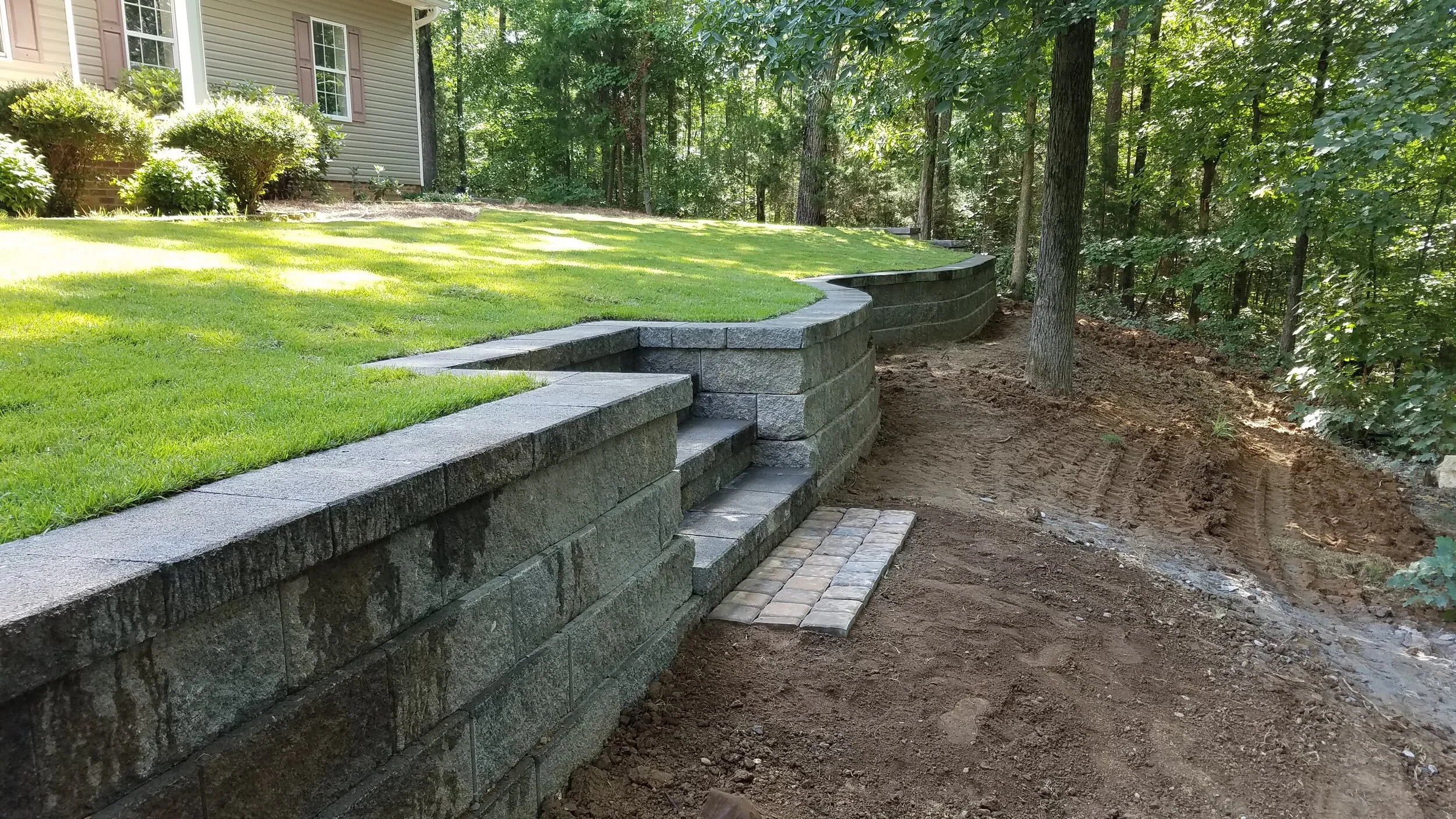
Many homes are built on properties with natural slopes or uneven terrain. While this is common, it can create challenges for homeowners trying to use their outdoor space effectively. Sloped areas often limit where patios, walkways, or landscaping can be installed.
This is where concrete retaining walls become an important solution. Retaining walls provide structural support that holds soil in place while creating level areas of land.
With the help of professional concrete retaining wall installation, homeowners can transform uneven terrain into functional outdoor spaces that are easier to use and maintain.
Why Sloped Yards Can Be Difficult to Use
A yard with significant elevation changes may look appealing, but it can create several practical challenges. Slopes often make it difficult to place outdoor furniture, build patios, or create walkways.
Common problems homeowners experience with sloped yards include:
- limited space for outdoor living areas
- soil erosion after rain
- difficulty maintaining landscaping
- unsafe or uneven walking areas
Installing concrete retaining walls helps solve these issues by stabilizing the landscape and creating usable levels of land.
Creating Level Outdoor Areas
One of the biggest benefits of retaining wall installation is the ability to level sections of the yard.
By supporting the soil behind the wall, retaining walls allow contractors to reshape the terrain and create flat areas that can be used for different purposes.
These level sections can be used for:
- patios and seating areas
- garden beds or landscaping features
- connecting walkways
- outdoor gathering spaces
This transformation helps homeowners make better use of their property.
Preventing Soil Erosion
Sloped yards are more likely to experience erosion when rainwater flows downhill and carries soil with it. Over time, this can lead to uneven ground and damaged landscaping.
A concrete retaining wall acts as a barrier that prevents soil from shifting or washing away.
By holding soil in place, retaining walls help maintain the structure of the yard and protect surrounding outdoor features.
Supporting Other Concrete Features
Retaining walls often work together with other concrete features such as patios, steps, and walkways. Once the yard is stabilized, homeowners can install additional outdoor improvements on the newly leveled areas.
For example, a retaining wall may support a concrete patio or provide access to a walkway and steps that connect different parts of the yard.
This combination helps create a more functional and organized outdoor layout.
Built for Strength and Longevity
Concrete is one of the most reliable materials used for retaining wall construction. A properly installed concrete retaining wall is designed to withstand soil pressure and changing weather conditions.
Because of its durability, concrete provides a long-lasting solution for homeowners who need to stabilize their landscape.
With professional installation, retaining walls can remain strong and effective for many years.
Why Professional Installation Matters
Retaining walls must be carefully designed to support the soil behind them. Contractors must consider soil weight, drainage, and reinforcement during construction.
Professional concrete retaining wall installation ensures the wall is built to handle these conditions safely and effectively.
Working with experienced professionals helps prevent issues such as shifting walls or water buildup.

If your property has a sloped yard or uneven terrain, Elite Concrete Worx can help stabilize your landscape with durable retaining walls. Book your free consultation today to start planning your project.