
How Concrete Retaining Walls Help Manage Yard Drainage
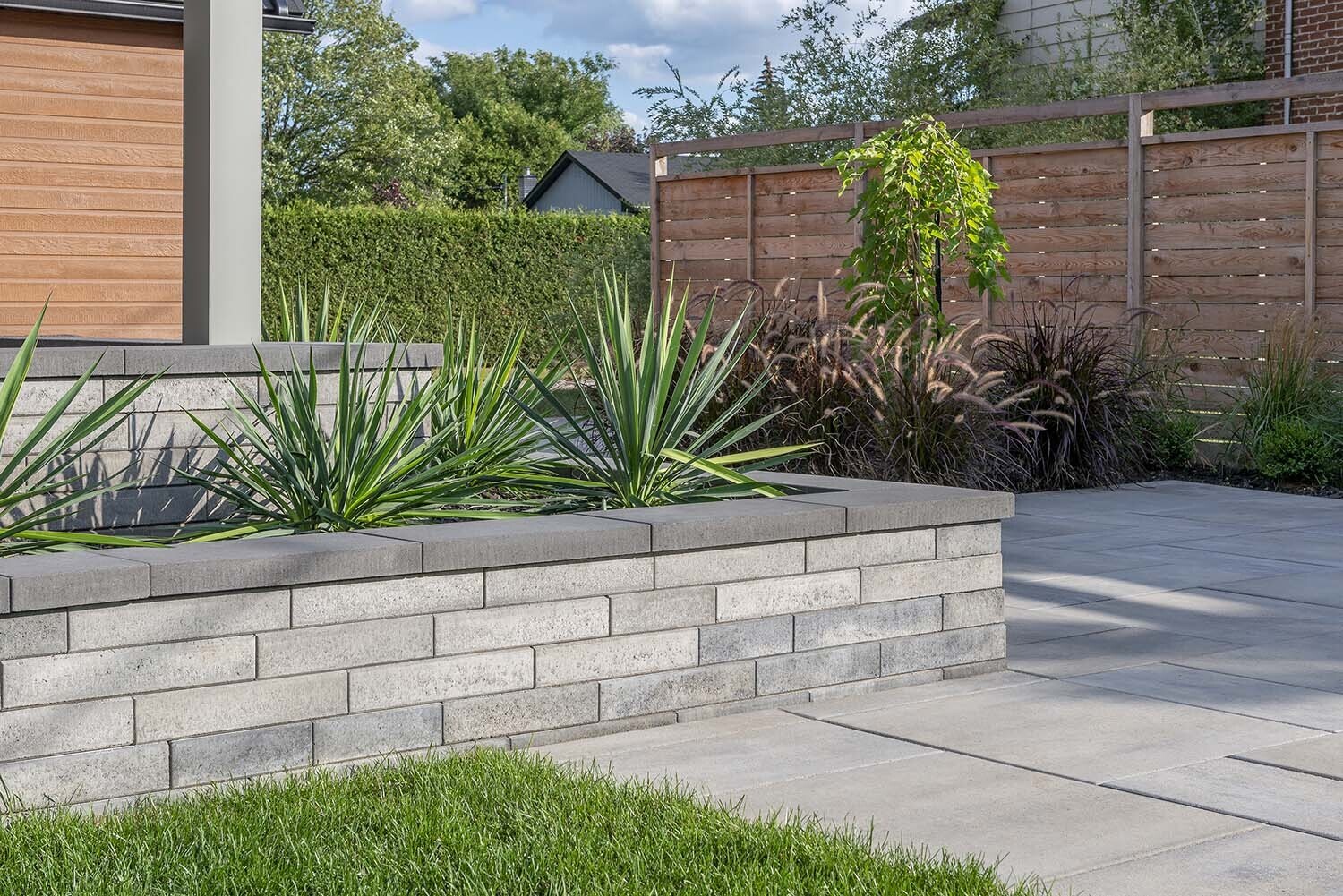
Water drainage is one of the most common challenges homeowners face when maintaining their outdoor spaces. After heavy rain, water may flow downhill across the yard, carrying soil with it and leaving behind erosion, muddy areas, or unstable ground.
When this happens repeatedly, it can begin to affect landscaping, outdoor walkways, patios, and even driveways. Over time, uncontrolled runoff may cause sections of the yard to become uneven or damaged.
Installing concrete retaining walls is one of the most effective ways to manage these issues. Retaining walls help control soil movement and guide water flow, helping protect the structure of the yard while improving overall stability.
Because of their strength and durability, concrete retaining walls are widely used to support landscapes and prevent long-term erosion problems.
Why Water Runoff Causes Problems
During rainfall, water naturally follows the slope of the land. On properties with uneven terrain or hills, water can move quickly across the surface.
As water travels downhill, it may carry soil with it. This gradual soil movement can eventually create problems such as:
- eroding landscape beds
- unstable soil around patios or walkways
- muddy or washed-out areas of the yard
- uneven ground forming over time
Installing a concrete retaining wall helps slow down and control this movement, protecting the surrounding landscape.
Stabilizing Soil and Preventing Erosion
One of the primary functions of concrete retaining walls is to hold soil in place. The wall acts as a barrier that prevents soil from shifting or washing away during rainfall.
By reinforcing the terrain, retaining walls help maintain the structure of the yard while protecting nearby outdoor features.
This is especially important for properties where patios, driveways, or walkways are installed near sloped areas.
Creating Better Landscape Structure
Retaining walls also help divide the yard into supported sections. Instead of one large slope, the landscape can be organized into level areas.
These leveled sections can be used for:
- patios and outdoor seating areas
- garden beds or landscaping
- connecting walkways
- additional usable yard space
This structured layout helps homeowners make better use of their outdoor areas.
Protecting Concrete Surfaces
Outdoor concrete features such as driveways, walkways, patios, and steps rely on stable soil beneath them.
If the surrounding soil begins to shift or erode, it may eventually affect the durability of these surfaces.
Installing concrete retaining walls helps stabilize the terrain around these structures, protecting them from soil movement.
This reinforcement helps extend the lifespan of nearby concrete installations.
Built for Long-Term Strength
Concrete is commonly used for retaining walls because it can withstand the pressure of soil and outdoor weather conditions.
A properly installed concrete retaining wall is designed to remain strong and stable for many years.
Concrete’s durability allows it to handle both soil pressure and environmental changes without quickly deteriorating.
Why Professional Installation Matters
Retaining walls must be carefully designed to handle the weight of the soil behind them. Contractors must consider drainage, soil pressure, and proper reinforcement during construction.
Professional concrete retaining wall installation ensures the wall is built to support the landscape safely and effectively.
Working with experienced professionals helps ensure the retaining wall performs well over time.

If you're dealing with soil erosion or drainage issues in your yard, Elite Concrete Worx can help stabilize your landscape with durable retaining walls. Book your free consultation today to start planning your project.