
How Concrete Retaining Walls Help Create More Usable Yard Space
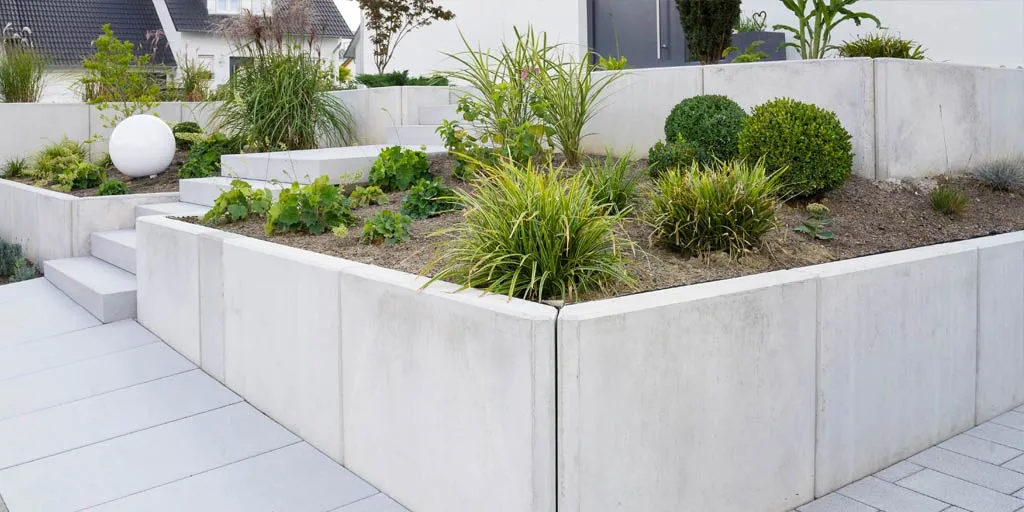
Not every property has a perfectly flat yard. Many homes are built on land with natural slopes or uneven terrain, which can limit how much of the yard can actually be used.
When a yard slopes too much, it can be difficult to place outdoor furniture, install patios, or create garden areas. In some cases, slopes may also lead to soil erosion after heavy rainfall.
Installing concrete retaining walls is one of the most effective ways to turn uneven land into usable outdoor space. Retaining walls help hold soil in place while creating level sections of the yard that homeowners can use for different purposes.
Because of their strength and durability, concrete retaining wall installations are commonly used to improve both the function and appearance of residential landscapes.
Turning Sloped Areas Into Level Space
A sloped yard may look attractive, but it often limits how the space can be used. Outdoor seating areas, patios, or play areas typically require level ground.
A concrete retaining wall helps reshape the landscape by holding back soil and creating flat sections of the yard.
These level spaces can then be used for:
- patios or seating areas
- garden beds
- lawn sections
- walkways or pathways
This makes the yard more functional and enjoyable.
Preventing Soil Erosion
When rainwater flows down a slope, it can carry soil with it. Over time, this erosion may damage landscaping and create uneven ground conditions.
A concrete retaining wall installation helps prevent this by reinforcing the soil and keeping it securely in place.
By stabilizing the landscape, retaining walls protect the yard from long-term erosion issues.
Improving Landscape Organization
Retaining walls help divide the yard into structured sections. Instead of one large sloped area, the landscape can be organized into multiple levels.
Each section can serve a different purpose, which helps homeowners design their outdoor space more effectively.
For example, one level might include a patio, while another could be used for lawn space or gardens.
Supporting Other Concrete Features
Retaining walls often work together with other outdoor improvements such as walkways, patios, or steps.
For example, a retaining wall may support the soil behind a patio or create the edge of a walkway path.
These combinations help create a well-structured outdoor environment that improves both function and design.
Built for Long-Term Strength
Concrete is one of the most reliable materials used for retaining walls because it can withstand heavy soil pressure and outdoor weather conditions.
A properly installed concrete retaining wall can remain strong and stable for many years.
This durability makes concrete an excellent choice for homeowners looking for long-lasting landscape solutions.
Why Professional Installation Matters
Retaining walls must be carefully designed to support the weight of the soil behind them. Proper drainage and structural support are essential for long-term stability.
Professional concrete retaining wall installation ensures the wall is built correctly and designed to perform reliably.
Working with experienced professionals helps prevent issues such as shifting walls or drainage problems.

If your yard has sloped areas that could benefit from added support and structure, Elite Concrete Worx can install durable retaining walls designed to improve your outdoor space. Book your free consultation today to get started.