
How Concrete Retaining Walls Help Control Yard Drainage
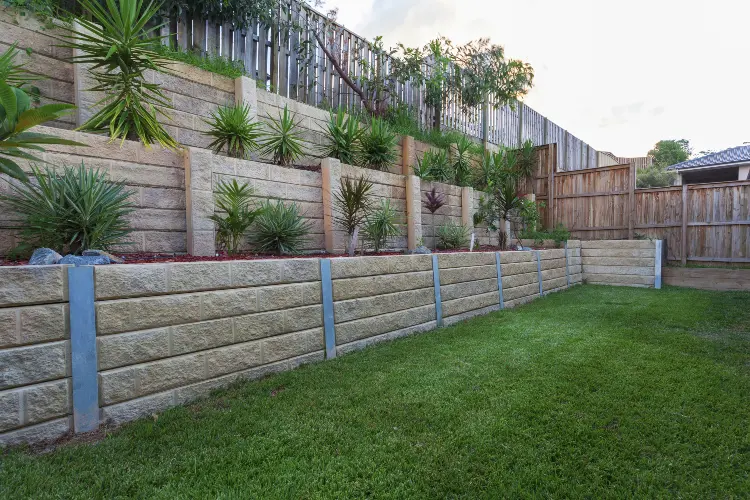
Drainage is one of the most important factors in maintaining a healthy and functional landscape. When rainwater is not properly managed, it can lead to soil erosion, damaged landscaping, and uneven ground conditions throughout the yard.
Properties with slopes or elevation changes are especially vulnerable to these issues. Rainwater naturally flows downhill, and without proper structures in place, that water can carry soil with it and create long-term landscape problems.
Installing concrete retaining walls is one of the most effective ways to help control drainage and protect outdoor spaces. Retaining walls stabilize the soil while helping guide water flow across the property.
Because of their strength and durability, concrete retaining wall installations are commonly used to improve both landscape structure and water management.
Stabilizing Soil on Sloped Properties
Sloped yards can be beautiful, but they also create challenges when it comes to controlling water movement.
When heavy rain occurs, water flowing down the slope can gradually wash soil away.
A concrete retaining wall installation helps hold the soil in place and reinforce the landscape. By stabilizing the ground, retaining walls help reduce erosion and protect nearby features.
Guiding Water Flow
Retaining walls can help guide the direction water travels during rainfall. Instead of water spreading randomly across the yard, the landscape can be designed to direct water away from important areas.
A properly installed concrete retaining wall helps control how water moves through the yard.
This helps prevent damage to patios, walkways, or lawn areas.
Protecting Landscaping Features
Without proper drainage control, landscaping areas such as garden beds or decorative plant sections can be damaged by water runoff.
Installing concrete retaining walls helps create defined sections of the yard that keep soil and landscaping materials in place.
This allows homeowners to maintain their landscaping while protecting it from erosion.
Supporting Other Outdoor Improvements
Retaining walls often work together with other outdoor features such as walkways, patios, and steps.
For example, a retaining wall may support soil behind a patio or help stabilize the ground around a walkway.
These combinations help create a well-organized outdoor environment that improves both functionality and appearance.
Built for Long-Term Strength
Concrete is widely used for retaining walls because it can withstand soil pressure and exposure to weather conditions.
A properly installed concrete retaining wall can remain strong and stable for many years with minimal maintenance.
Because of its durability, concrete continues to be one of the most dependable materials for landscape support structures.
Why Professional Installation Matters
Retaining walls must be carefully designed to support the weight of the soil behind them while allowing proper drainage.
Professional concrete retaining wall installation ensures the wall is constructed correctly and built to last.
Working with experienced professionals helps prevent issues such as wall shifting or drainage problems.

If your property needs durable retaining walls to improve drainage and protect your landscape, Elite Concrete Worx can help strengthen and enhance your outdoor space. Book your free consultation today to get started.