
How Concrete Retaining Walls Create Space for Landscaping
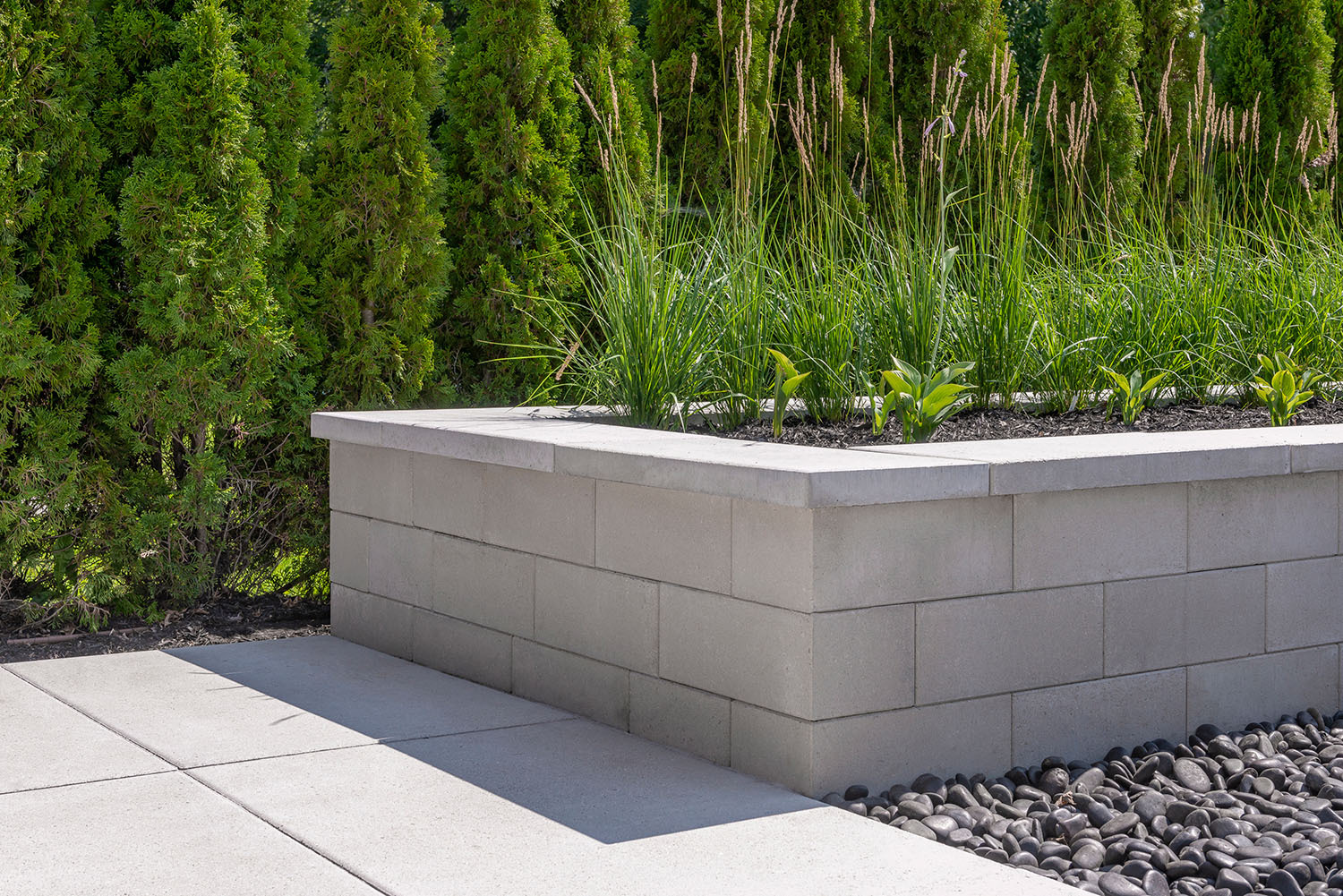
Many homeowners want to improve their yard with landscaping features such as garden beds, decorative plants, or outdoor seating areas. However, uneven terrain or sloped yards can make it difficult to create stable areas for these improvements.
Without proper support, soil may shift or erode over time, causing landscaping to become uneven or difficult to maintain. This is where concrete retaining walls become an important solution.
Retaining walls help support the soil and create structured sections of the yard that can be used for landscaping. By stabilizing the terrain, concrete retaining wall installation allows homeowners to transform uneven spaces into organized outdoor areas.
Because of their durability and structural strength, concrete retaining walls are commonly used to support gardens and landscaping features.
Creating Defined Garden Beds
Retaining walls can help create raised garden beds that make landscaping easier to manage. Instead of planting directly on sloped ground, homeowners can create supported sections of soil where plants and flowers can grow.
A concrete retaining wall holds the soil in place while creating a clearly defined planting area.
These raised sections can be used for:
- flower beds
- decorative landscaping
- shrubs and small trees
- garden features
This approach allows homeowners to design more organized and visually appealing outdoor spaces.
Stabilizing Soil for Landscaping
Soil movement is one of the biggest challenges when maintaining landscaping. Rainwater and gravity can gradually shift soil downhill, which may damage plants or expose roots.
Installing concrete retaining walls helps stabilize the soil and prevent erosion.
By reinforcing the terrain, retaining walls help maintain the shape and structure of the landscaping over time.
Improving the Layout of the Yard
Retaining walls also help divide the yard into separate sections, making it easier to design outdoor spaces.
Instead of one large slope, the yard can be divided into supported levels where different landscaping features can be installed.
These sections may include:
- patios and outdoor seating areas
- garden beds
- walkways connecting different areas
- decorative landscape features
This structured layout helps make the yard more functional and visually balanced.
Protecting Other Outdoor Features
Retaining walls also help protect nearby outdoor structures such as patios, walkways, and driveways.
When soil shifts or erodes, it can affect the stability of these surfaces. A concrete retaining wall installation helps support the surrounding terrain and protect these features from soil movement.
This reinforcement helps ensure other outdoor improvements remain stable.
Built for Strength and Longevity
Concrete is widely used for retaining wall construction because it can withstand soil pressure and outdoor weather conditions.
A properly installed concrete retaining wall can remain strong and reliable for many years.
Concrete’s durability allows it to support landscaping areas while maintaining the structure of the yard.
Why Professional Installation Matters
Retaining walls must be carefully installed to ensure they can support the soil behind them. Contractors must consider factors such as drainage, reinforcement, and ground preparation.
Professional concrete retaining wall installation helps ensure the structure is built safely and performs effectively over time.
Working with experienced professionals helps prevent issues such as shifting walls or drainage problems.

If you’re planning to improve your yard with structured landscaping or garden areas, Elite Concrete Worx can install durable retaining walls to help shape and support your outdoor space. Book your free consultation today to get started.