
5 Warning Signs Your Concrete Steps Need Repair or Replacement
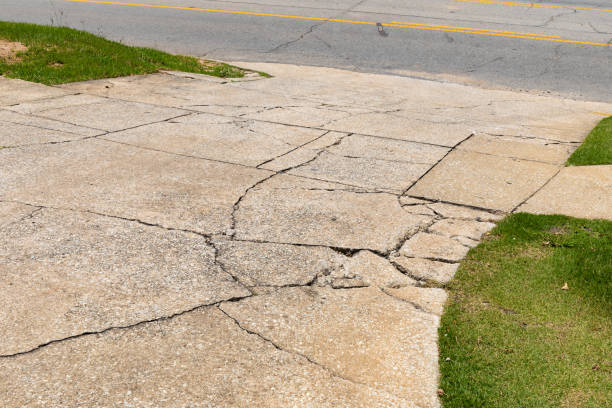
Concrete steps take a beating — foot traffic, weather, and years of use all add up. Unlike a driveway or patio, damaged steps aren't just a cosmetic issue; they can become a genuine safety hazard for anyone walking in and out of your home. Here's how to tell when your steps need attention.
1. Visible Cracking
Small hairline cracks are common in concrete and usually not a cause for alarm. But wider cracks, especially ones that run the full depth of a step or connect multiple cracks together, are a sign the structural integrity is compromised. Cracks that seem to be growing over a season or two are worth having assessed before they widen further.
2. Uneven or Sloped Steps
If a step no longer sits level, or if you notice one side has sunk lower than the other, the ground beneath it has likely shifted. This is common in areas with expansive clay soil, which is exactly the kind of soil found throughout much of North Texas. Uneven steps create a tripping hazard, particularly at night or for guests unfamiliar with your home.
3. Spalling or Flaking Surface
Spalling is when the top layer of concrete begins to flake, peel, or pop off, often exposing the aggregate underneath. This is frequently caused by moisture getting into the concrete and then freezing, or by improper finishing during the original pour. Once spalling starts, it tends to worsen over time as more surface area becomes exposed to the elements.
4. Crumbling Edges or Corners
Chipped corners and crumbling edges are usually a sign of age combined with repeated impact — foot traffic, furniture being moved, or even lawn equipment bumping against the steps. A few small chips aren't urgent, but widespread crumbling suggests the concrete has weakened throughout.
5. Pooling Water or Poor Drainage
Steps that hold onto water after rain, rather than shedding it, are more vulnerable to the freeze-thaw and moisture damage that leads to the issues above. Persistent pooling is often a sign the original slope or drainage wasn't accounted for during installation.
Repair or Full Replacement?
Not every issue on this list requires tearing everything out. Minor cracking and small spalled areas can often be professionally patched and resurfaced. But significant structural cracking, major settling, or steps that have shifted noticeably usually call for full replacement to ensure long-term safety. An experienced contractor can assess which category your steps fall into.
Don't Wait on Safety Issues
Steps are used daily, often without much thought — which is exactly why small problems can go unnoticed until they become a real hazard. If you've noticed any of these warning signs, it's worth having your steps evaluated sooner rather than later.

Concerned about the condition of your steps? Get in touch for an evaluation.